A Holistic Nurse’s Guide to Creating a Healing Space at Home
A quiet way of caring for someone through illness
There are moments in life when we are asked to step into something we never prepared for, and yet somehow, we are willing.
In my late twenties, I found myself caring for my father as he moved through stage 3 mantle cell lymphoma. He was single and there was no one else to help. What unfolded over that year included a bone marrow transplant, long days of treatment, and an extended periods of aftercare that did not end when the hospital stay was over.
Since that time, he has experienced many illnesses, and I have continued to care for him at home in different seasons of need.
I am a holistic nurse, but what is being shared here goes beyond didactic clinical care.
What I have come to understand is this.
Caring for someone is not only about what we do. It is about what our overall presence.
The environment itself becomes part of the healing.
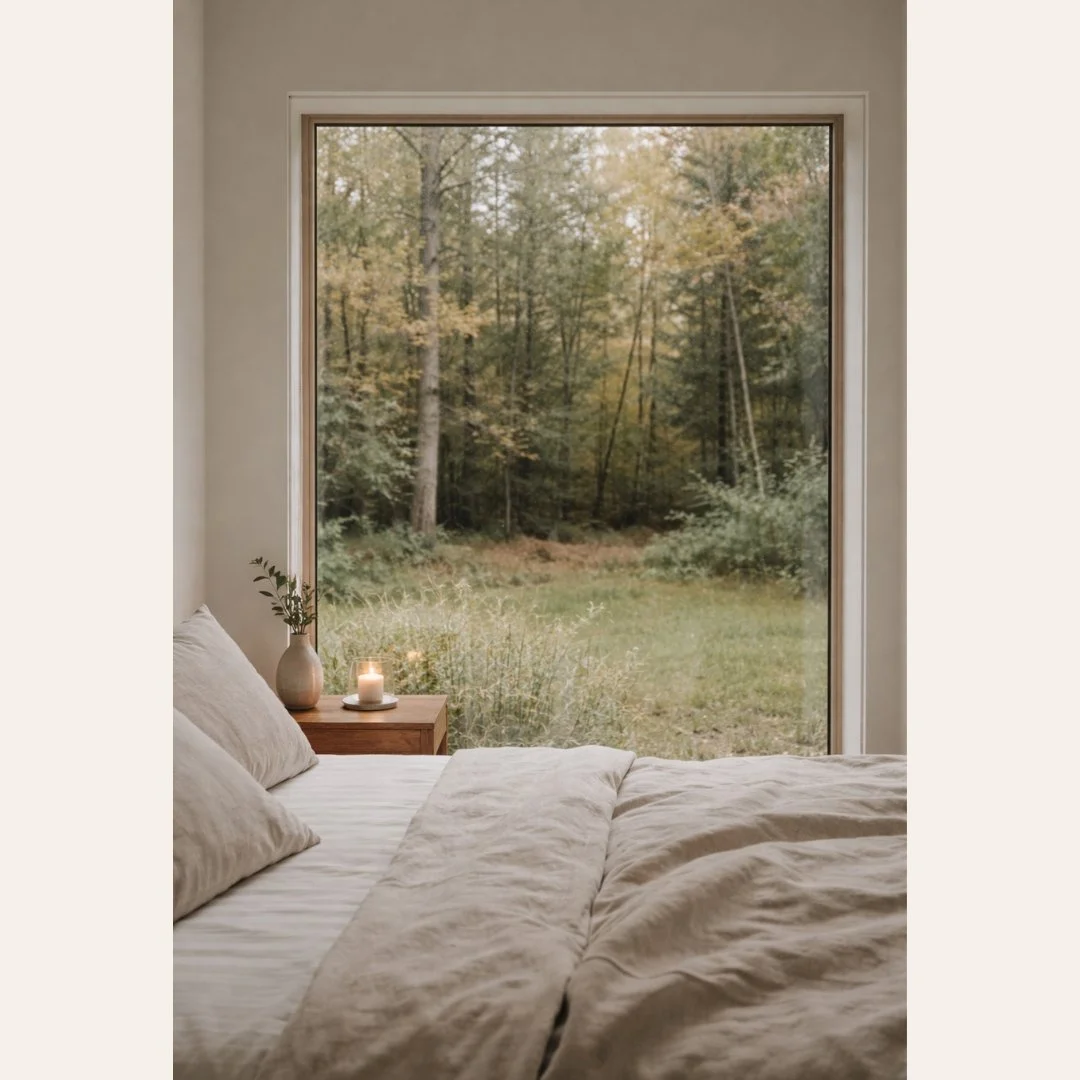
I remember one evening after his transplant when the house was quiet and the light was soft. I noticed his shoulders begin to relax in a way I had not seen in some time. He rested more deeply. There were moments when he would simply sit and gaze outside, being with the trees, with the light, with something that did not require effort. It was subtle, but it was real. The space was supporting him.
What I am sharing here is not rigid or even medical. These are the small, intentional ways I shape a home so that it feels like a place the body can soften into, rather than brace against.
Begin with clearing
I always begin by preparing the space.
Yes, this includes sanitizing surfaces, but it is also something more subtle. It is a way of signaling that this space is being set apart for rest and restoration.
If possible, I open windows and allow fresh air to move through. Even a few minutes can shift the feeling of a room.
There is something important about tending to the unseen tone of a space. People feel it, even if they are unable to name it.
Choose natural materials
When someone is ill, their system is often more sensitive.
I bring in natural pillows and bedding whenever possible. Cotton, linen, and other breathable materials feel supportive in a way that synthetics just do not.
I wash towels and sheets in gentle, non-toxic, low fragrance detergents, often the kind designed for babies. If the person is not sensitive to scent, I may choose something that reminds them of fresh laundered laundry, something familiar and comforting.
There is increasing awareness that synthetic fragrances and chemicals can place an additional burden on the body, especially when it is already under stress. Keeping things simpler allows the system to rest.
Invite life into the space
I always add something living.
Plants if possible. Fresh flowers, but not in excess. Just enough to bring a sense of life and quiet beauty into the room.
I often place a single bud vase in the bathroom. It is a small detail, but it softens the experience of being in that space.
Over time, I have come to surround the space with natural elements that feel grounding and alive. Light colored wood. Clear glass votives that catch and reflect soft light. Linen fabrics. Pottery vases that carry a sense of the earth.
There is a handmade piece hanging in the room that I created from natural fibers. I took strands used for knitting and wove them onto a piece of bamboo, letting the textures fall in their own natural way. The tones are soft and neutral, inspired by nature. It brings a quiet presence into the room that cannot be replicated by something manufactured.
There is research that speaks to the impact of nature on stress and healing, but even without that, it is something most of us can feel. Life supports life.
Use scent with intention
I often keep an aromatherapy diffuser running with high-quality, thoughtfully sourced essential oils that support rest and healing. At the same time, I remain mindful that not everyone is comforted by scent. For some, no fragrance at all is what feels most supportive. This, too, is part of listening.
Some of the oils I return to often are lavender, rosemary, ylang ylang, and peppermint.
Lavender supports rest and calming. Rosemary can bring a sense of clarity. Ylang ylang softens emotional tension. Peppermint can feel refreshing and can be supportive for nausea.
I also work with frankincense for grounding, eucalyptus for the breath, chamomile for deep soothing, tea tree for its purifying qualities, and lemon for a light, uplifting effect.
There is growing research on aromatherapy supporting relaxation, sleep, and even pain perception. More than that, scent has a way of reaching the nervous system directly.
It is important to choose what feels right for the person. Sometimes the most healing scent is simply one that feels familiar. Often, this connection goes back to childhood. A fragrance that once lived in a space where we felt safe, cared for, or at ease. The nervous system remembers these impressions, and in subtle ways, they can invite the body to soften and settle.
Offer gentle visual cues
When someone is unwell, their internal world can feel disoriented.
I like to place a simple word somewhere in the room where it can be seen without effort. Words like relax or unwind.
I also write an affirmation on the mirror using chalk paint.
My personal favorite: “God’s healing light permeates every cell of my body. Amen.”
This is not something to force belief. It is something to gently offer the mind another place to rest. The words themselves are not as important as the way they are received. When they reflect what feels true to the person in the space, they can soften the mind rather than create resistance.
Make water a moment of care
Hydration is essential, but I try to make it feel like something more than a task.
I keep mineral-rich water available, along with electrolytes and sometimes small cans of something like 7UP. Not because it is the most ideal choice, but because it is often familiar and comforting. Healing is not always about what is best, but what is most received.
Through my Ayurveda training, I’ve come to appreciate how warm or room temperature drinks are often received more gently by the body. When someone is unwell, depleted, or fragile, warmth can offer a deeper sense of nourishment, supporting the body rather than asking it to adjust.
A quiet layer of intention
There are also moments when I bring in something even more subtle.
I bless the space as I prepare it, and often again as I return to it. It becomes a quiet, ongoing offering of intention, inviting peace and restoration into the environment.
It’s not elaborate but sincere and intentional. It may be as simple as placing my hands in water and offering a silent prayer, or lightly sprinkling water in the room with the intention of peace, healing, and restoration.
I will often pause before offering a glass of water and hold it for a moment.
A simple intention. A quiet blessing.
Nothing that needs to be spoken aloud.
Water is receptive. It carries what it is given.
Whether one understands this scientifically or not, there is something felt when prayer is offered in this way.
It is not about doing more. It is about infusing what is already being done with presence.
Soften light and invite natural rhythm
Lighting matters more than we often realize.
I prefer soft, warm light rather than harsh overhead lighting. A Himalayan salt lamp can add a gentle glow if the person is comfortable with it.
Whenever possible, I also allow natural light to enter the space during the day. Opening curtains, positioning a chair near a window, or simply letting the morning light reach the room can make a difference.
The body responds to light in very real ways. Exposure to natural light supports circadian rhythm, which influences sleep, immune function, and hormonal balance. Even a few minutes of sunlight each day can help the body remember its rhythm.
I often noticed my father naturally orienting toward the light. Sitting quietly, not doing anything, just being with it. These moments seemed to restore something that could not be seen.
Support with sound
I often play low level mantra music or solfeggio frequencies in the background.
I also keep a simple sound machine in the room. The gentle consistency of sound can help settle the nervous system and soften the edges of an unfamiliar environment.
Sound can influence the body in subtle but meaningful ways. Even when someone is resting, the body is still responding to what surrounds it.
A quiet layer of movement and water
There is something deeply calming about the presence of water.
Outdoors, I keep a small fountain running. Just the soft, continuous sound of flowing water.
Even inside, the memory or echo of that sound seems to carry inward. If possible, even a small indoor fountain can bring this same sense of gentle movement and continuity.
Water moves without effort. There is something regulating about being near it, hearing it, or even just knowing it is there.
Create rhythm
Illness can disrupt a person’s sense of time and stability.
I try to create gentle rhythm in the day. Consistent mealtimes, quiet evenings, a sense of flow without rigidity.
The nervous system responds to what feels steady and predictable.
Reduce what is unnecessary
When someone is ill, even small decisions can feel overwhelming.
I keep the space simple. Clear surfaces. Minimal noise. Only what is needed within reach.
This allows the mind to rest as well as the body.
Tend to your own presence
This is the most important piece. The environment takes its tone from the person holding it.
If I am rushed or unsettled, it is felt. If I am grounded and steady, that is felt as well.
I have had to learn this slowly. To notice when I am holding tension, and to soften before I enter the room.
People who are ill are often in a heightened state. Their world has deeply shaken and they are trying to find their footing again.
More than anything, they need a place that feels stable. A place where they no longer need or have to hold everything together.
There is research that speaks to co-regulation, the way one calm nervous system can support another. I have seen this again and again.
Patience matters. Slowness matters. Being willing to sit in what is happening without needing to change it deeply matters.
A quiet closing
Creating a healing environment at home is not about perfection. It is about listening to what is not being said.
It is about recognizing that healing extends far beyond medicine and medical care. It unfolds through the spaces we create and the energy we embody within them.
Over time, I have come to realize I am doing far more than preparing a room.
I believe I’m being entrusted to create and sustain a living sanctuary.
If you find yourself caring for someone, whether you expected to or not, there is a quiet wisdom that begins to emerge. There is a quiet kind of grace in this way of offering ourselves to others and the world.
I wonder, what is one small way you might soften a space for someone you love today?
There are also moments when care wants to take a more tangible form.
A way of offering something outward, not to fix or change what someone is going through, but simply to let them feel held.
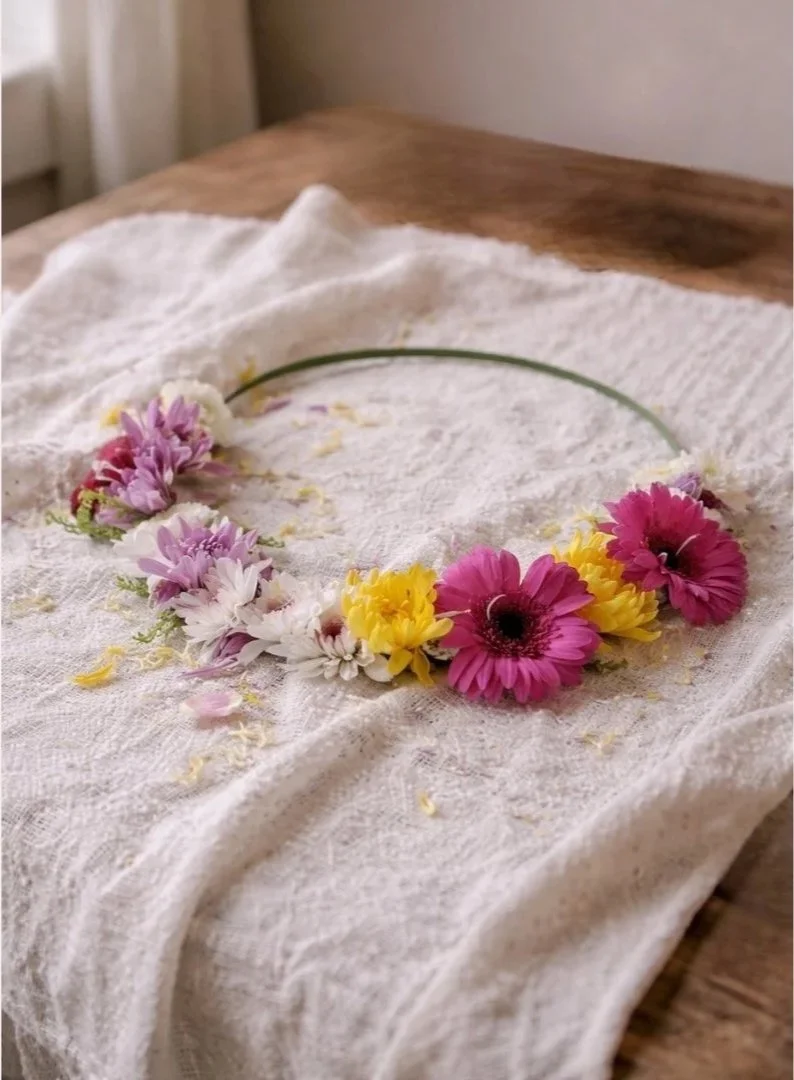
I once created a botanical wreath for someone who was not well. With each flower, there was a quiet prayer. A way of extending love beyond words.
If this speaks to you, I’ve shared that process here.