Simple Flower Bathing for Nervous System Healing
Preparing for the Flower Bath: A Healing Ritual for Body, Mind, and Spirit
There is a quiet wisdom in water.
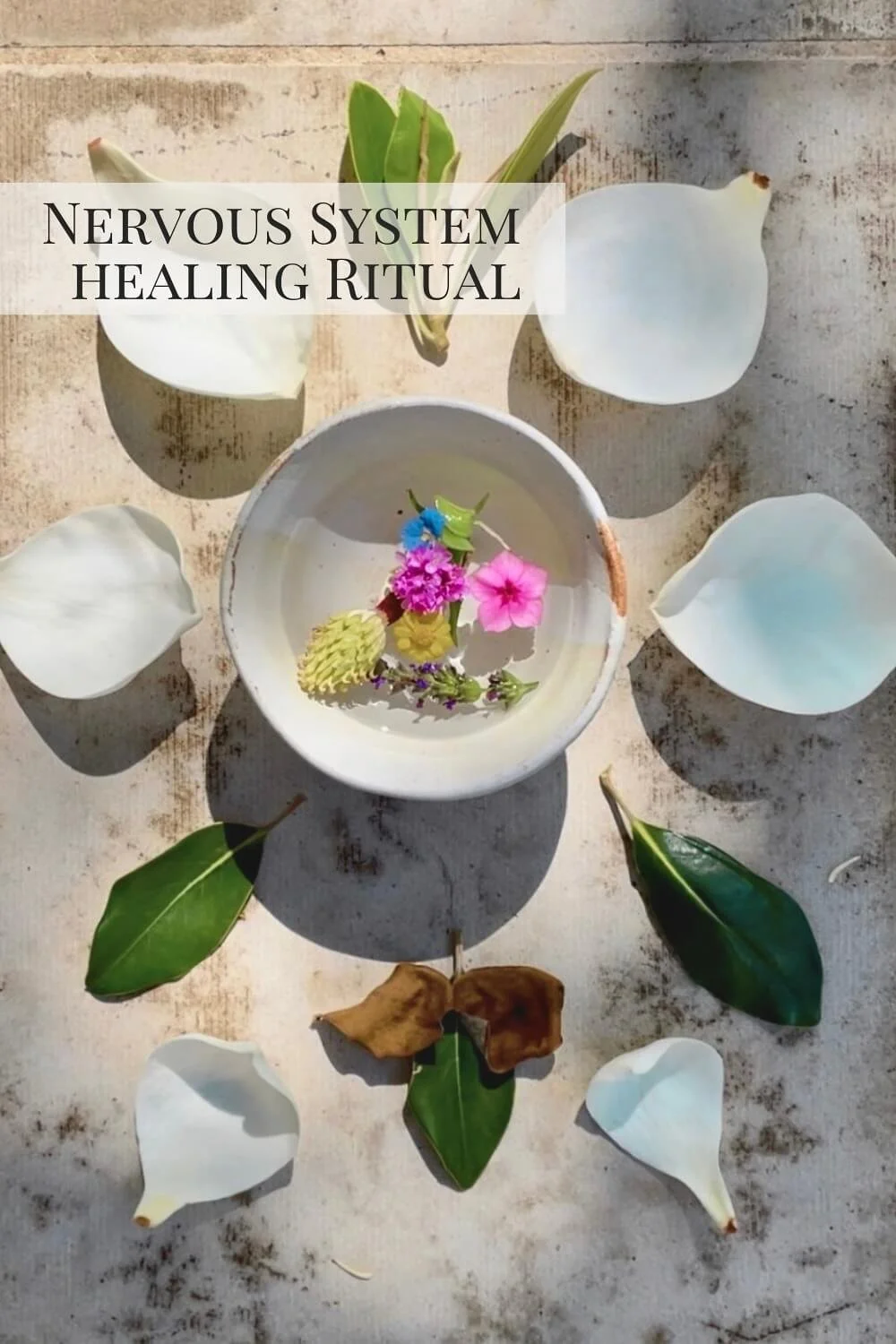
Across cultures and traditions, sacred bathing, also known as a spiritual bath, ritual bath, or flower bath has been practiced as a potent way to cleanse, restore, and renew. This ancient healing art is more than simply soaking in warm water. It is a ceremony. A prayer. An offering.
In the lineage of Rosita Arvigo, Doctor of Naprapathy, ethnobotanist, and spiritual healer, sacred bathing is a ritual of transformation. Dr. Arvigo describes it as “a soothing and restorative practice that rejuvenates the body, mind, and soul, promoting health using water, prayers, and plants.”
I also wish to acknowledge Deborah Hanekamp, author of Ritual Baths, whose work has been part of my own healing and remembrance. Her writing gently reintroduces sacred bathing as a modern spiritual practice: accessible, intuitive, and rooted in devotion. Through her teachings, many of us have remembered that ritual does not belong to the past; it lives wherever intention, water, and reverence conjoin.
Sacred bathing invites us to slow down, listen deeply, and remember that healing does not come from force but from relationship.
What Is a Sacred Flower Bath?
A sacred flower bath is a form of energetic and spiritual cleansing that uses the natural elements of water, intention, prayer, and medicinal plants to invite healing into our lives. Unlike an ordinary bath, sacred bathing is a living ritual, infused with consciousness and guided by love.
Historically, sacred baths were often administered by trained healers, with the recipient clothed or gently draped, in a space prepared for ceremonial care. Today, as collective consciousness continues to awaken, many are remembering that we carry the innate wisdom to be our own healer.
With care and intention, anyone can offer a sacred bath—whether to yourself, a loved one, or someone you wish to bless from afar.
Setting the Intention: Who Is This Bath For?
Before you gather your herbs or fill the bowl, take a moment to sit quietly. Gently close the eyes and bring awareness to the heart. Feeling into the way we are breathed. Imagine the breath flowing into the heart space, resting there briefly, then softly flowing back out.
Ask inwardly:
Who is this sacred bath for?
Yourself, for healing or grounding
A friend who is struggling
A loved one needing extra care
A group of people in need
A public figure, place, or community experiencing harm
Trust the first name, image, or feeling that arises. There is no right or wrong here, only the honesty of the heart.
Inviting Intuition: Listening for the Plants
One of the most beautiful aspects of sacred bathing is the relationship it nurtures with the plant world. Sit in silence and ask gently:
Which plants or herbs wish to be part of this bath?
Let sensing not thinking guide you. If nothing arises, you may choose from familiar allies such as:
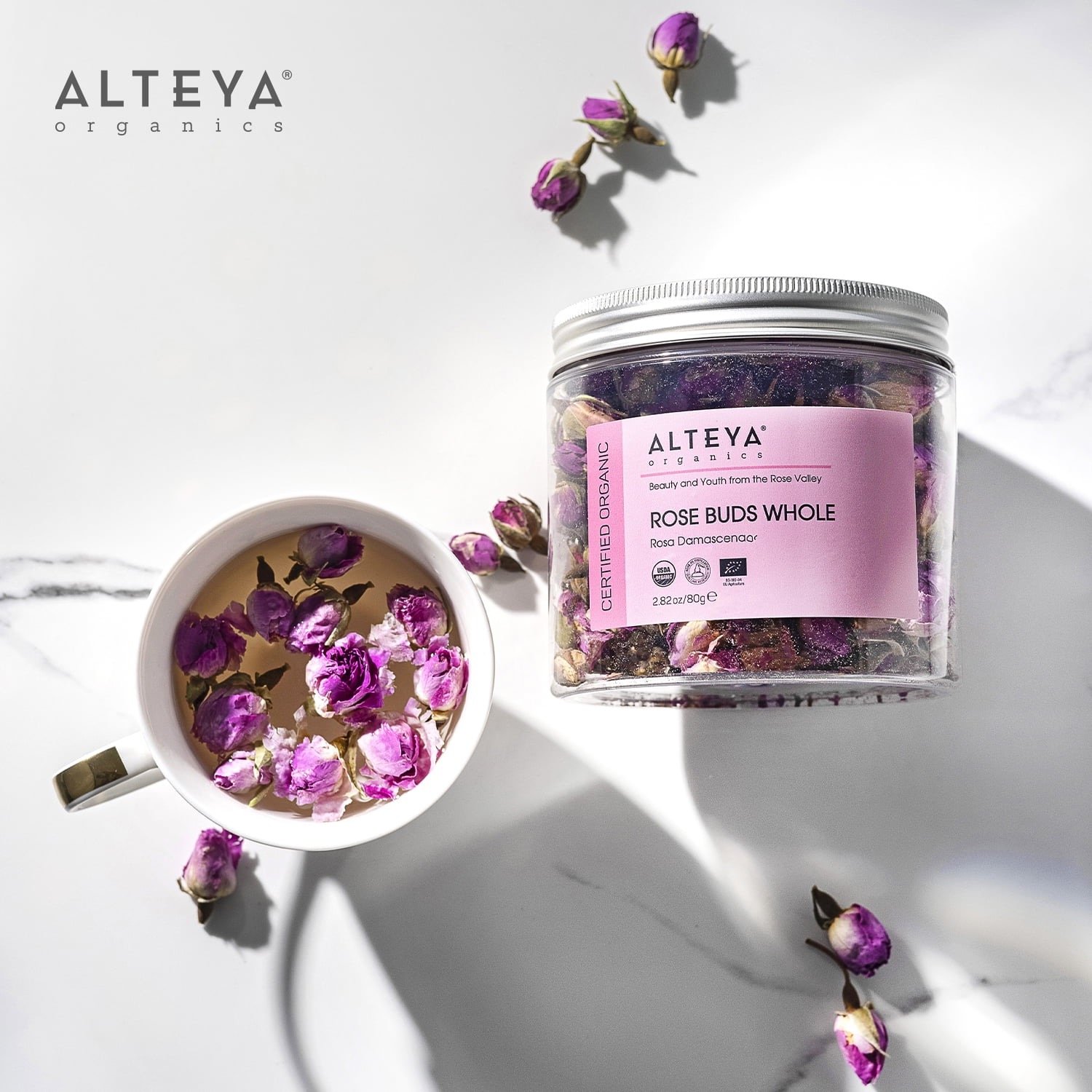
Rose petals – for grief, broken hearts, and self-love
Lavender – for calming the nervous system
Basil – for protection and clarity
Rue – for clearing energetic heaviness
Chamomile – for peace and rest
Lemongrass – for energetic cleansing
When you gather the plants, perhaps from your garden or kitchen… pause. Ask their permission. Speak your intention silently. Offer gratitude. This can be as simple as breathing love into the plant or whispering thank you.
What You’ll Need
1–3 herbs or flowers (even one is enough)
About 8 oz of clean water (spring or filtered is ideal)
A bowl you love—ceramic, glass, or wood
Optional: sea salt or Epsom salt
Optional: candles, crystals, incense, or sacred music
Remember: sacred bathing does not need to be elaborate. The power lives in your presence.
Creating the Ritual
Place the herbs or petals into your bowl and gently pour the water over them. You may whisper a blessing, speak a prayer, or remain in silence.
Hold your hands above the bowl and infuse the water with intention. Call in what is needed, peace, courage, release, clarity. Notice the scent of the plants rising. This is one way of communing with Mother Earth.
Three Ways to Receive a Sacred Flower Bath
Sacred bathing does not have to look one particular way. Below are three accessible options. Choose the one that feels right for your body, energy, and nervous system.
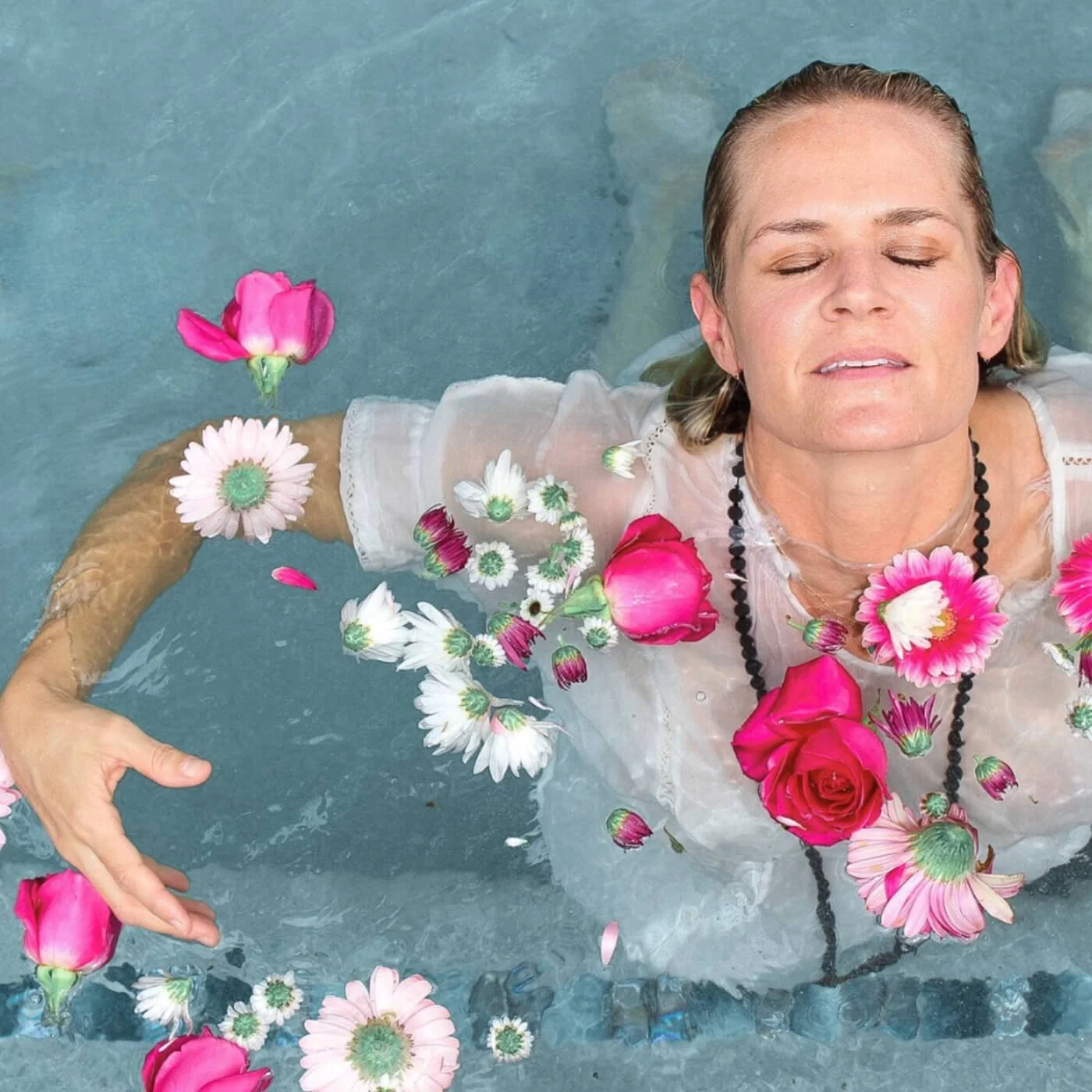
1. Self-Anointing with Flower or Herbal Water
This is the simplest and most ancient form of sacred bathing.
Dip your fingers or hands into the bowl and gently anoint yourself. You may touch:
the crown of the head for clarity
the heart for emotional healing
the soles of the feet for grounding and protection
Move slowly. Let each gesture be intentional. Even a few drops of blessed water, offered with sincerity, can shift the nervous system and energy field.
This option is especially supportive when you feel tender, depleted, or pressed for time.
2. Sacred Foot Soak
The feet contain rich nerve endings and energetic pathways. In many traditions, they are gateways for grounding and release.
Pour the flower or herbal water into a basin large enough for your feet. Add warm water as needed. You may include a small amount of sea salt or Epsom salt.
Place your feet in the water. Rest. Breathe.
A sacred foot soak:
draws excess energy downward
calms anxiety and mental agitation
supports nervous system regulation
Many people feel a spontaneous sigh, softening, or emotional release as the body settles.
3. Full Immersion Bath with Head Submersion
A full sacred bath is the most immersive expression of this ritual.
When possible, prepare the space with care—soft lighting, quiet, and enough time to move slowly. Once the body is submerged, you may gently lower the back of the head or entire head beneath the water, even if only briefly.
When the head is submerged:
the diving reflex is activated, signaling the vagus nerve and shifting the body toward a parasympathetic (rest-and-restore) state
the mind often quiets
emotions may soften or release
a womb-like sense of being held can arise
A Note on Salt Water and Ions
When sea salt or mineral salts are added, bath water may carry a higher concentration of negative ions, which are associated with relaxation, mood support, and nervous system calming. While fresh water alone is deeply healing, salt water can enhance grounding and restoration—especially during times of stress, grief, or fatigue.
Head submersion is always optional. Let it be gentle. Even a few seconds can be powerful.
Giving Thanks to the Plants and to Mother Nature
Before closing the ritual, pause.
Offer gratitude:
to the flowers and herbs for their medicine
to the water for holding your prayers
to Mother Nature for her generosity and wisdom
You may say aloud or silently:
Thank you for this healing. Thank you for your presence.
When the ritual is complete, return the plants to the earth: beneath a tree, in the garden, or into moving water. This completes the energetic cycle and honors the living intelligence of nature.
Why Sacred Bathing Works
We live in a world of unseen energies. The body, mind, and spirit carry impressions of joy, sorrow, fear, and love all of which leave traces in the energetic field.
Sacred bathing gently clears what no longer serves while nourishing what is ready to sprout and grow. It supports emotional release, nervous system balance, spiritual clarity, and reconnection with the nature and her almighty rhythms.
It reconnects us of something ancient and true:
We are not separate from nature.
We are nature.