Self-Nurturance for Yoga Teachers
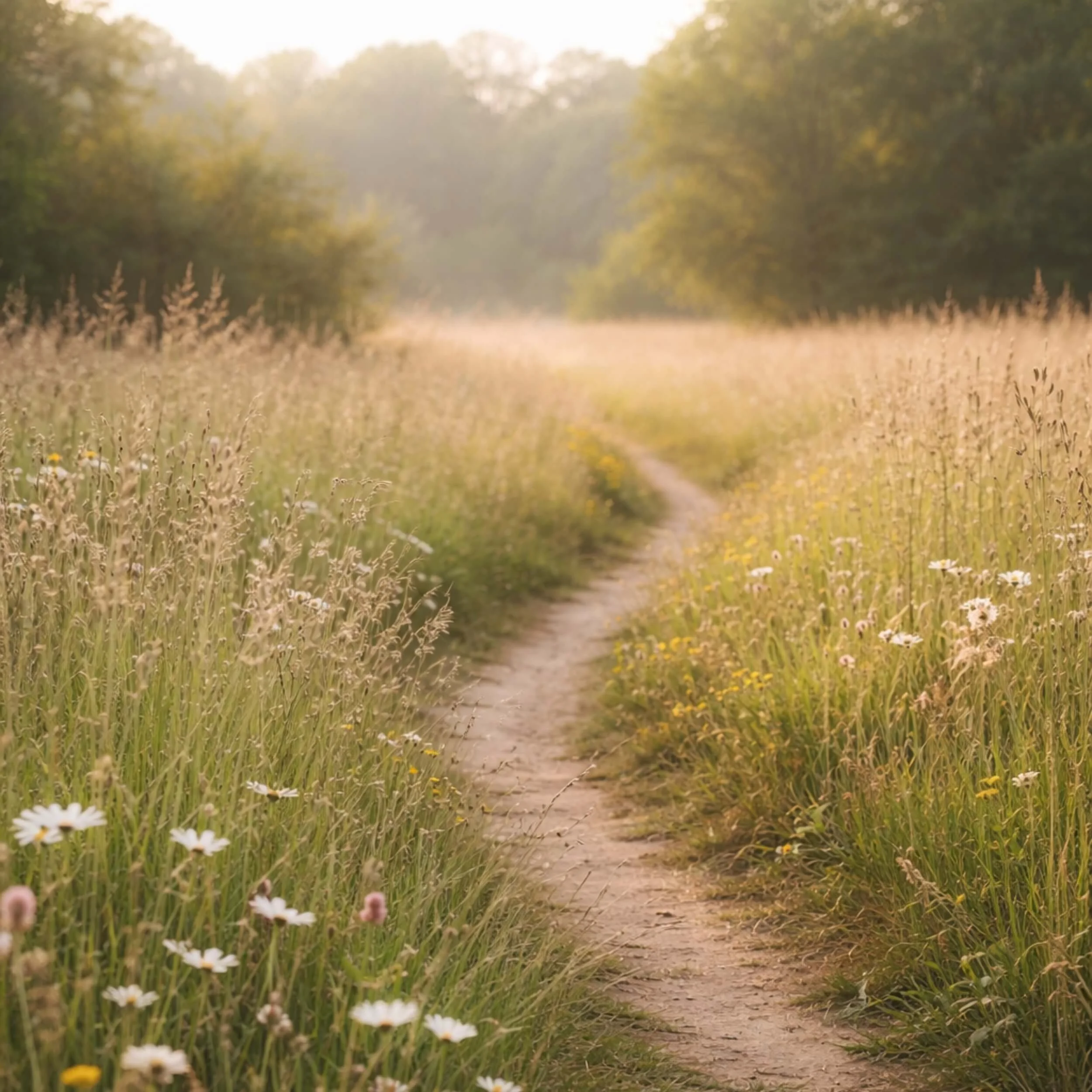
Self-nurturance is the ongoing practice of tending to our inner peace with presence, compassion, and loving care. When we nurture ourselves, we lay a solid foundation for a sustainable, heart-led teaching journey. As we replenish and tend to our inner needs, the presence we embody naturally becomes more healing, often more inspiring, and even our capacity to hold space for others naturally expands.
Self-nurturance matters, and there’re simple, practical ways to honor and bring into our daily practice.
Why Does it Matters
Yoga, at its essence, is a path of union and liberation. Yet too often, both new and seasoned teachers feel the pull to over give. We can inadvertantly end up pouring energy into students, sequencing, workshops, playlists, social media, and continuing education. When we attempt to manage so many moving pieces, we may find ourselves uknowingly neglecting our own needs. Though well-intended, this imbalance can leaves us feeling depleted and disconnected.
When the nervous system is undernourished, it becomes difficult to stay connected to our creative source energy, and even harder to maintain a calm, grounded, and nurturing presence for others. When this happens, our teaching can begin to feel performative rather than embodied. Over time, this disconnection may give rise to feeling a bit disenchanted with the very practice we once loved.
Self-nurturance can be approached as a form of devotion. When we tend to our mind, body, and consciousness, we don’t simply feel better, we are better. Intuition sharpens. Empathy deepens. Our energy becomes more grounded and surprisingly magnetic.
Embodied Practices to Support Self-Nurturance
Let’s begin with the body. Embodied movement practices such as yoga, dance, and tai chi offer profound ways to tune into our needs and release accumulated tension. They draw us out of the mind and into the heart, where deeper wisdom lives.
❀ Restorative and Gentle Yoga
As teachers, it’s easy to get caught in cycles of sequencing, demoing, and physically leading. Our personal practice, however, doesn’t always need to mirror what we teach. What if we slowed down enough to listen deeply to the body’s needs?
A restorative practice may be exactly what helps us return to a greater state of balance. Even a few familiar poses, such as Child’s Pose, Legs-Up-the-Wall, or Reclining Bound Angle can invite the nervous system to let go and unwind. Energetically, these shapes invite receiving rather than doing.
❀ Dance and Free Movement
Sometimes shapes and words fall short. This is where spontaneous movement can be deeply nourishing and even cathartic. Turning our living space into a dance floor, even for five minutes, has the potential to unlock joy, clear stagnant emotions, and reconnect us to our truest self.
The body knows the way toward healing. When the mind begins to judge or doubt, we can gently return attention to sensation and movement, allowing the experience to unfold, even amidst the mind’s commentary.
❀ Tai Chi or Walking Meditation
Tai chi’s slow, flowing movements act as a moving meditation, cultivating presence, balance, and calm. Likewise, a mindful walk in nature (especially without a phone) can be profoundly restorative. Guided walking meditations, available on platforms like Spotify, can be especially supportive if this practice feels new.
Creative Rituals That Nourish the Soul
Self nurturance also lives in the subtle, sacred rituals of everyday life, in those moments that reconnect us to beauty and joy.
❀ Find Something to Create
Creation doesn’t need to be complicated or impressive. It might be a playlist, an intuitive soup recipe, a piece of art, or a short video. Creating gives form to what lives within us and is inherently nourishing and healing.
Release the need to be “good” at what you create. Approach it with curiosity rather than judgment. The act of creating itself is an expression of self-love.
❀ Take Personal Retreats
Set aside intentional time, whether it’s an afternoon, a full day, or even a weekend, for a personal retreat. Journal, meditate, move freely, listen to music, read, rest, or simply sit in silence. Rest is not something we earn. It is essential to our health and well being.
❀ Practice Self-Humming
Soft humming can be done during meditation, chores, or even savasana. It stimulates the vagus nerve and signals safety to the nervous system. It’s a simple, accessible way to return to calm.
Emotional and Energetic Self-Nurturance
Nurturing the body is just the beginning. Emotional and energetic care are equally vital.
❀ Acknowledge and Accept Your Emotions
Give space to whatever feelings arise without judgment. As we hold space for our students’ vulnerability, remember that we are allowed to feel, too. The full spectrum of our humanity deserves compassion, especially our own compassion.
❀ Cultivate Self-Compassion
Kristin Neff teaches that self-compassion includes self-kindness, common humanity, and mindfulness. When uncertainty arises, pause and ask: What would a supportive friend (or even love) say to me right now?
❀ Set Boundaries Free of Ambiguity or Guilt
“No” can stand on its own as a complete sentence. When we take the time to find clarity within ourselves and recognize that no is truly what’s best for us, the words land differently when we speak them. It can help to imagine placing a period at the end of the word “no”, this allows the response to feel finished and whole. This simple inner gesture can soothe the mental pushback that often arises when we set boundaries and choose to honor our own needs.
❀ Build Sustainable Support Systems
We are not meant to walk this path alone. Seek out connection: mentors, fellow teachers, or trusted peers. Shared reflection and mutual support are powerful forms of self-nurturance.
❀ Engage in Reflective Practices
Journal. Create art. Record insights and questions. Return often to the reasons you felt called to this path. Reflection has the power to grounds us, especially during difficult seasons.
❀ Celebrate the Sweet Moments
Teaching yoga is courageous. Take time to celebrate the quiet breakthroughs, both in your students and within your own practice. Notice the moments of trust, the way others turn toward you for guidance and support. Let these sweet moments draw you back to your heart and remind you why you chose this path.
Final Thoughts
Being a yoga teacher is about more than curated poses, keeping up with the latest yoga fashions, perfect cues, online presence, and/or class numbers. It’s about showing up authentically and offering what is real to you. That offering can only be as full as we are.
Self nurturance is an inner sanctuary, the soil that allows our roots to deepen and our branches to extend in service. When we nurture ourselves, we model something sacred for our students. Caring for the self is not separate from the practice. It is the very heart of the practice.
May your path be honest, nourishing, and filled with grace.